Swing Trading: Definition, Strategies and Indicators
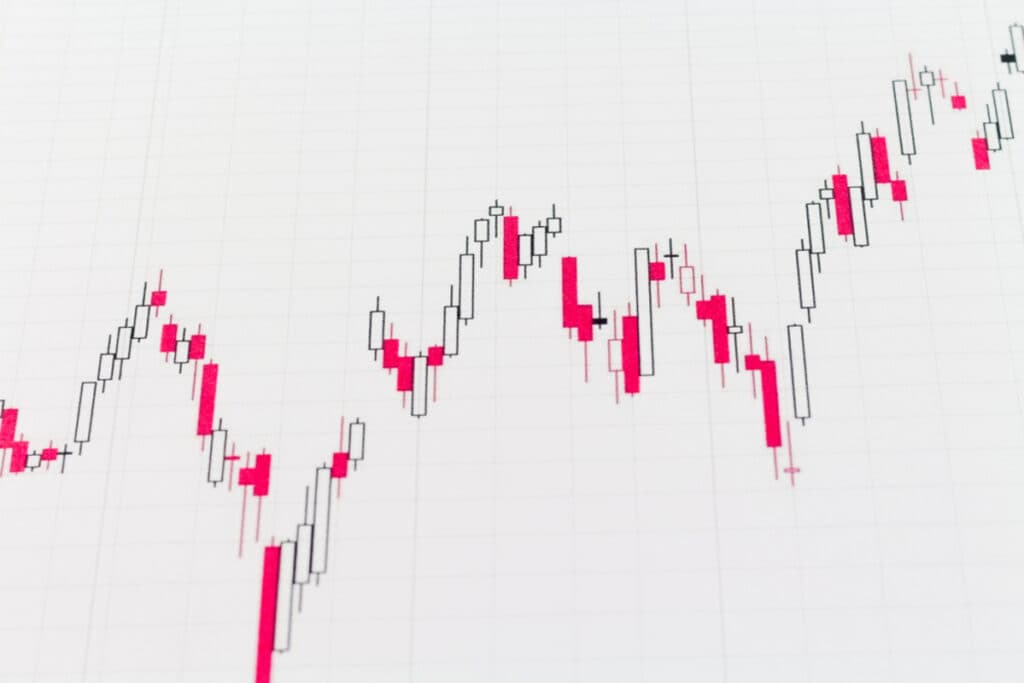
Swing trading focuses on capturing price movements that unfold over several days to weeks, unlike day trading’s fast-paced, intraday approach. By riding broader market trends, traders can identify meaningful opportunities with reduced stress and fewer transaction costs. This strategy blends technical analysis with disciplined risk management to balance short-term profits and strategic positioning.
Traders rely on support and resistance levels, chart patterns, moving averages, and volume analysis to anticipate reversals or trend continuations. Instead of reacting to every minor fluctuation, swing trading targets larger price swings, encouraging more thoughtful decisions and potentially more consistent, sustainable results.
What Is Swing Trading?
Swing trading is a strategy that targets short- to medium-term price movements, usually over days to weeks. Unlike day trading, it capitalizes on larger swings to generate profits, especially in trending markets. Traders combine technical indicators, chart patterns, and fundamental analysis to identify optimal entry and exit points. The main advantage is the ability to capture significant gains without constant monitoring, making it suitable for both novice and experienced traders.
The strategy focuses on key levels where prices may reverse or continue, such as support and resistance zones, moving averages, and Fibonacci retracements.
How Does Swing Trading Differ from Day Trading?
| Feature | Swing Trading | Day Trading |
| Time Horizon | Captures larger price movements over several days to weeks | Executes multiple trades within a single day, targeting short-term fluctuations |
| Trading Environment | More relaxed, fewer trades, less emotional stress | Fast-paced, requires high discipline and constant attention to market movements |
| Tools & Strategies | Uses moving averages, oscillators, volume analysis, RSI to identify swing points | Uses real-time data, advanced charting, intraday candlestick chart patterns, and volume spikes |
| Risk Management | Stop-loss orders to limit potential losses | Trailing stops to protect profits as market moves favorably |
Looking for Swing Trading Candidates
Identifying the Right Assets for Swing Trading
Choosing suitable assets is essential for swing trading success, as volatility, liquidity, and market conditions directly impact potential profits.
- Focus on Liquid Assets: Prioritize stocks, forex pairs, and commodities with sufficient trading volume to support meaningful price swings.
- Target Stocks with Clear Trends: High-volume, liquid stocks often show predictable patterns ideal for swing trading.
- Consider Market Conditions: Adapt asset selection to economic cycles; for example, focus on growth stocks or tech sectors during periods of expansion.
- Monitor News and Events: Earnings reports, economic announcements, and major news can create sharp price movement analysis for trading opportunities.
- Assess Volatility: Ensure the selected asset has enough price movement to make swing trading worthwhile without being excessively risky.
Swing Trading Strategies
Swing trading strategies are designed to capitalize on short- to medium-term price movements, allowing traders to profit from both upward and downward trends. These strategies often rely on technical analysis to identify key levels where price is likely to reverse or continue its momentum. Below, we explore some of the most effective swing trading strategies, each with its own unique approach to capturing market opportunities.
Trend Following
Trend following is a swing trading strategy that enters trades in the direction of an existing trend. Traders use tools such as 50-day and 200-day moving averages to identify trends and align positions accordingly. This approach works best in trending markets, reducing the risk of short-term reversals and increasing profit potential. In choppy or ranging markets, however, trend following can be less effective, requiring confirmation from additional indicators to ensure trend strength.
Breakout Trading
Breakout trading aims to capture new trends by identifying when the price breaks key support or resistance levels after a period of consolidation.
- Identify Key Levels: Focus on support and resistance zones where price has repeatedly stalled.
- Wait for Breakouts: Enter trades when the price moves decisively above resistance or below support.
- Effective in Ranging Markets: This strategy works best when prices have been confined to a narrow trading range.
- Use Confirmation Indicators: Incorporate tools such as volume spikes and moving averages to reduce the risk of false breakouts.
- Manage Risk: Set stop-loss orders to protect against trades that fail after a breakout attempt.
Pullback Trading
Pullback trading focuses on entering trades when the price temporarily retraces to key levels within an existing trend, aiming to capture the trend’s continuation.
- Identify Trend Direction: Focus on established uptrends or downtrends to anticipate potential pullbacks.
- Key Levels for Entry: Look for retracements to previous swing highs/lows, moving averages, or trendlines.
- Effective in Trending Markets: Works best when the market is trending rather than choppy or sideways.
- Use Confirmation Indicators: Employ tools such as volume spikes, RSI, and other oscillators to confirm the strength of the pullback.
- Optimize Entry Price: Pullbacks allow traders to enter positions at more favorable prices, improving risk-reward ratios.
Range Trading
Range trading targets price movements within a defined upper and lower bound. Traders buy near support and sell near resistance, using moving averages or oscillators to confirm the range. This strategy works best in sideways markets, allowing traders to capitalize on predictable price oscillations.
Reversal Trading
Reversal trading focuses on identifying price turns at key support and resistance levels, such as moving averages or previous swing highs/lows. Traders enter at reversals to capture trend continuations, using volume spikes or oscillators for confirmation. While reversal trading can be effective at the end of strong trends, it can be challenging in highly volatile or unpredictable markets.
Swing Trading Indicators
guide to trading indicators entry and exit points. Trend-following tools like moving averages and ATR identify trend direction and strength, while oscillators like RSI and Stochastic highlight overbought/oversold conditions. RSI measures momentum speed, signaling reversals, and the Stochastic Oscillator tracks price relative to its range to spot divergences and potential turning points.
Moving Averages (MA)
Moving averages are a fundamental swing trading tool that helps traders identify the direction and strength of the trend. Moving averages are calculated by taking the average price of an asset over a specific period, such as 50 days or 200 days. Traders use moving averages to identify key support and resistance levels and confirm the trend direction.
One of the most commonly used moving averages in swing trading is the 50-day moving average. This indicator helps traders identify the trend direction over a medium-term period.
Another popular moving average is the 200-day moving average, which helps traders identify the long-term trend. Traders often use the 200-day moving average as a key support or resistance level, as well as to confirm the trend’s direction.
Pros & Cons of Swing Trading
| Pros of Swing Trading | Cons of Swing Trading |
| Captures significant profits with fewer trades by focusing on larger price swings. | May miss out on short-term intraday opportunities, reducing potential gains. |
| Reduces emotional stress and high costs associated with frequent trading. | Holding positions for extended periods increases exposure to market downturns. |
| Aligns better with market trends, avoiding short-lived price fluctuations. | Challenging in ranging markets where price moves within a narrow range. |
| Flexible schedule compared to day trading, suitable for less intensive trading lifestyles. | News events and earnings reports can trigger sharp price movements, disrupting strategies. |
| Opportunity to profit from both upward and downward price movements. | Requires careful monitoring of positions to avoid unexpected losses. |
| Lower transaction costs due to fewer trades and longer holding periods. | Potentially slower returns compared to high-frequency day trading strategies. |
Swing Trading Classes
For traders looking to enhance their swing trading skills, enrolling in swing trading classes can be a valuable investment. These classes provide structured learning opportunities, enabling traders to deepen their understanding of swing trading strategies, indicators, and risk management techniques. At platforms like trading strategies by AFAQ, traders can access comprehensive resources, including video lessons, interactive exercises, and real-world examples that demonstrate how to apply swing trading principles in practice.
Swing trading classes cover topics ranging from basic principles to advanced strategies and risk management. Beginners gain essential knowledge to build a solid strategy, while experienced traders refine their skills and stay up to date on new techniques.
Swing Trading in Stocks
Swing trading in stocks is one of the most popular applications of this strategy, as stocks offer liquidity, volatility, and a wide range of trading opportunities. When trading stocks, swing traders focus on identifying key support and resistance levels, as well as trends and pullbacks within those levels.
One of the key advantages of swing trading in stocks is the ability to capitalize on both upward and downward price movements. By identifying trends and reversals, traders can enter trades at more favorable price levels, increasing the likelihood.
FAQs
What is swing trading?
Swing trading is a trading style where traders aim to capture short- to medium-term price movements in financial markets. Positions are usually held for a few days to several weeks, depending on market trends and trading strategies.
How does swing trading in stocks work?
Swing trading in stocks involves buying shares when traders expect a short-term price increase and selling when they anticipate a decline. Traders rely on technical analysis, price patterns, and market momentum to identify entry and exit points.
What are the most popular swing trading strategies?
Common swing trading strategies include trend-following, breakout trading, support-and-resistance trading, and pullback strategies. These approaches help traders identify price swings and capitalize on market momentum.
What are the best swing trading indicators?
Popular swing trading indicators include moving averages, Relative Strength Index (RSI), MACD, Bollinger Bands, and volume indicators. Traders use these tools to spot trends, reversals, and potential trade opportunities.
Is swing trading suitable for beginners?
Yes, swing trading can be suitable for beginners because it does not require constant monitoring like day trading. However, beginners should learn risk management, technical analysis, and proper strategy before trading real money.