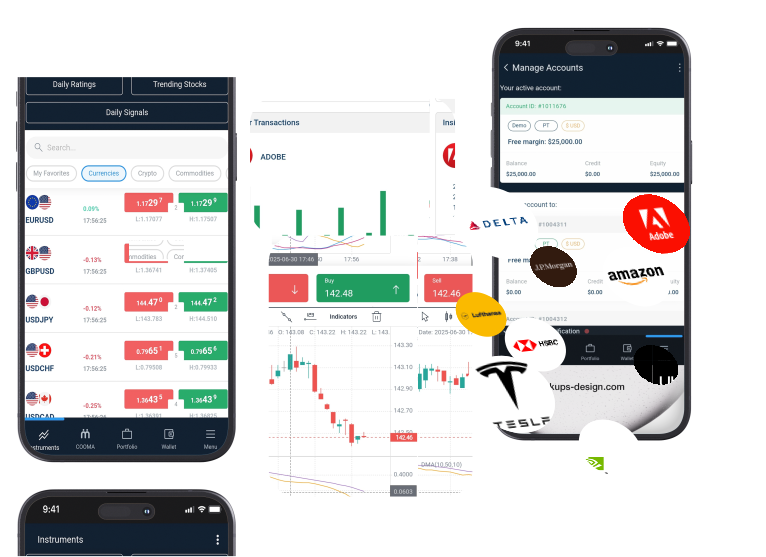
What Is a Stock Trading Application?
Technology has made investing more accessible than ever, allowing traders and investors to manage financial markets directly from their smartphones. A stock trading application provides users with real-time market access, trading tools, portfolio management features, and educational resources in a single platform. These applications are designed to simplify the trading experience while giving users the flexibility to monitor and execute trades anytime and anywhere. Whether for short-term trading or long-term investing, mobile trading platforms have become an essential part of modern financial markets. Understanding how these applications work can help investors make more informed and efficient trading decisions.
What is a Stock Trading Application?
A stock trading application is a digital platform designed to simplify the process of buying and selling securities, such as stocks, bonds, and exchange-traded funds (ETFs), directly from a mobile device or web browser. Unlike traditional trading methods that required physical presence at brokerage offices or phone-based transactions, these applications provide users with instant access to global financial markets. Whether you’re a seasoned investor or a complete beginner, a stock trading application bridges the gap between complex financial systems and user-friendly technology, making it easier than ever to participate in the stock market.
The rise of stock trading applications has democratized investing by eliminating many barriers to entry. No longer do you need a high net worth or specialized knowledge to start trading, and just a smartphone, an internet connection, and a well-chosen app are enough. These platforms often come with educational resources, real-time analytics, and tools tailored to different experience levels. For example, Afaq offers insights into how modern trading apps are reshaping the way individuals engage with financial markets, emphasizing both accessibility and security.
How Stock Trading Applications Work?
Understanding how a stock trading application functions can help users leverage its full potential. At its core, a stock trading application connects users to brokerage services, which in turn link to stock exchanges like the New York Stock Exchange (NYSE) or NASDAQ. Here’s a step-by-step breakdown of the process:
- Account Setup and Verification: Users download the app and create an account by providing personal and financial details. Identity verification is typically required to comply with regulatory standards such as KYC (Know Your Customer). Some apps, like certain stock market apps free of charge, may offer simplified onboarding for beginners.
- Funding the Account: Once verified, users link their bank accounts or credit and debit cards to deposit funds. Minimum deposit requirements vary, with some apps allowing as little as $5 to start trading.
- Accessing Market Data: The app provides real-time or delayed market data, including stock prices, historical trends, and company news. Advanced features may include technical indicators, such as moving averages or the Relative Strength Index (RSI).
- Placing Orders: Users can place different types of orders, such as market orders executed immediately at current prices or limit orders executed only at specified prices. Some apps also support stop-loss orders to automatically sell a stock if its price drops below a certain threshold.
- Executing Trades: When an order is placed, the app sends it to the brokerage, which then routes it to the appropriate exchange. Confirmation is provided almost instantly, with trade details updated in the user’s portfolio.
- Monitoring and Managing Investments: Users can track their portfolio’s performance, view profit and loss statements, and receive alerts for price movements or news. Many apps offer tools for setting up recurring investments or automated trading strategies.
The efficiency of a stock trading application lies in its ability to streamline these steps, reducing the time and effort required to trade stocks. Afaq highlights how modern apps use artificial intelligence to provide personalized trading recommendations, further enhancing the user experience.
Key Features of a Stock Trading Application
Not all stock trading applications are created equal. The best ones offer a combination of essential and advanced features that cater to both beginners and experienced traders. Below are the key features that define a high-quality stock trading application:
Real-time Market Data:
- Live stock prices, including bid and ask spreads and volume.
- Customizable watchlists to track specific stocks or indices.
- Historical data for technical analysis, such as candlestick charts and moving averages.
- News feeds are integrated with market-moving announcements such as earnings reports and economic indicators.
Buy and Sell Orders:
- Support for multiple order types: market, limit, stop, and trailing stop orders.
- One-tap trading for quick execution of orders.
- Order customization, including setting expiration times or good-till-canceled (GTC) orders.
- Pre-trade risk checks to warn users about potential losses before execution.
Portfolio Tracking:
- Real-time portfolio valuation, including gains, losses, and performance metrics.
- Asset allocation breakdowns such as stocks, bonds, and ETFs.
- Tax-lot tracking for accurate capital gains calculations.
- Customizable dashboards to visualize portfolio health.
Alerts and Notifications:
- Price alerts for specific stocks or indices.
- News-based alerts for earnings calls, dividends, or regulatory changes.
- Customizable notification preferences such as push notifications, email, or in-app alerts.
- Alerts for technical indicators, such as when a stock crosses a moving average.
For beginners, choosing the best stock trading app often means prioritizing platforms with intuitive interfaces and useful educational resources. Afaq provides traders with a reliable stock trading application that combines ease of use, real-time market access, and advanced trading tools.
Types of Stock Trading Applications
The market for stock trading applications is diverse, with options tailored to different user needs from novices to seasoned traders. Here’s a breakdown of the main types:
Beginner-friendly Apps
These apps are designed with simplicity and education in mind, making them ideal for those new to investing. Key characteristics include:
- User-friendly interfaces with minimal jargon.
- Step-by-step tutorials and guides on trading basics.
- Fractional share trading allows investments in expensive stocks with small capital.
- Low or zero commission fees to reduce barriers to entry.
- Examples of such apps include the best stock trading app for beginners, which often come with gamified learning features to help users build confidence.
Professional Trading Platforms
For experienced traders, these apps offer advanced tools and features such as:
- High-frequency trading capabilities.
- Advanced charting tools with customizable indicators.
- Direct market access (DMA) for low-latency trading.
- Support for complex order types, such as bracket orders or conditional orders.
- Integration with third-party trading bots and APIs.
- Platforms like the best trading app in the world often cater to hedge funds and institutional investors, offering robust analytics and risk management tools.
Robo-advisory Apps
These apps use algorithms to manage investments automatically, making them ideal for hands-off investors. Features typically include:
- Automated portfolio rebalancing based on predefined risk profiles.
- Diversification across asset classes such as stocks, bonds, and ETFs.
- Low minimum investment requirements.
- Tax-efficient strategies to optimize returns.
- While not all robo-advisors support active trading, some online stock trading apps incorporate robo-advisory features for passive investors.
Each type of stock trading application serves a unique purpose, and the best choice depends on an individual’s trading style, experience, and financial goals. For those seeking a balance between accessibility and functionality, Afaq recommends evaluating apps based on fees, features, and user reviews before committing.
Benefits of Using a Stock Trading Application
The popularity of stock trading applications continues to grow, largely due to the numerous advantages they offer over traditional trading methods. Here are some of the most significant benefits:
Accessibility and Convenience:
- Trade from anywhere at any time, using just a smartphone or tablet.
- No need for physical visits to brokerage offices or reliance on phone-based trading.
- Instant access to global markets, including stocks, ETFs, and even cryptocurrencies in some cases.
Cost Efficiency:
- Many stock market apps, free of charge,e offer zero-commission trading, reducing fees significantly.
- Lower minimum deposit requirements compared to traditional brokerages.
- Elimination of middlemen, leading to better price execution for users.
Real-Time Decision Making:
- Access to live market data, news, and analytics to make informed trading decisions.
- Ability to set alerts for price movements or news events, ensuring timely reactions.
- Integration with banking services for seamless fund transfers and withdrawals.
Educational Resources:
- Built-in tutorials, webinars, and articles to help users learn about trading strategies.
- Simulated trading environments, ts such as paper trading, allow for practice without risking real money.
- Community forums or social trading features to share insights with other users.
Diversification and Automation:
- Easy access to a wide range of assets, from individual stocks to diversified ETFs.
- Automated investing options, such as dollar-cost averaging or robo-advisory services.
Enhanced Security and Regulation
Many stock trading applications are regulated by financial authorities such as the SEC in the U.S. athe nd FCA in the UK, ensuring user funds are protected. Advanced encryption and two-factor authentication (2FA) secure accounts and transactions. Insurance coverage for cash balances, such as SIPC in the U.S., protects up to $500,000 per account, and regular security audits and compliance checks help prevent fraud or hacking attempts.
Regulatory Compliance:
- Apps must adhere to strict financial regulations, such as anti-money laundering (AML) and know-your-customer (KYC) policies.
- Transparent fee structures to avoid hidden costs.
- Segregation of client funds from company assets to prevent misuse.
User Protection Measures:
- Biometric authentication, such as fingerprint or facial recognition, for added security.
- Activity logs and transaction histories for accountability.
- Dispute resolution processes for unauthorized transactions.
For users concerned about security, stock trading applications often provide more robust protection than traditional methods. Afaq underscores the importance of choosing apps with a strong track record in security and regulatory compliance.
Risks and Limitations of Mobile Trading
While stock trading applications offer numerous advantages, they also come with risks and limitations that users should be aware of before diving in. Understanding these potential pitfalls can help investors make informed decisions and mitigate losses.
Technological Risks:
- App Crashes or Glitches: Technical issues can lead to delayed or failed trades, especially during high volatility.
- Internet Dependency: Slow or unstable internet connections may disrupt trading or data access.
- Cybersecurity Threats: Phishing scams, malware, or hacking attempts can compromise account security.
- Data Delays: Some apps offer delayed market data for free users, which can impact trading decisions.
Common Technical Issues:
- Server downtime during market hours.
- App freezes or has slow performance on older devices.
- Syncing errors between the app and brokerage accounts.
Mitigation Strategies:
- Use reliable internet connections such as 5G or wired networks.
- Enable two-factor authentication (2FA) and biometric logins.
- Regularly update the app to patch security vulnerabilities.
- Test the app’s functionality during low-activity periods before live trading.
For users relying on stock market apps free of charge, it’s essential to recognize that cost savings may come with limitations such as delayed data or fewer features. Afaq advises users to weigh the trade-offs between free and premium apps based on their trading needs.
FAQs
How do I start trading using a stock trading application?
To start trading using a stock trading application, traders typically need to create an account, complete identity verification, and fund their trading account. Most applications provide access to market data, charts, and trading tools that allow users to buy and sell financial assets directly from their mobile devices. Beginners are usually encouraged to start with demo accounts or educational resources before trading real money.
What are the risks of trading through mobile apps?
Trading through mobile apps carries risks such as market volatility, emotional decision-making, and the possibility of executing trades too quickly without proper analysis. Technical issues like internet disruptions, app malfunctions, or security concerns can also affect trading activities. Proper risk management and using secure, regulated platforms are important for reducing these risks.
Are stock trading applications suitable for long-term investing?
Yes, stock trading applications can be suitable for long-term investing because they provide easy access to portfolio management, market monitoring, and investment research tools. Many investors use these apps to build diversified portfolios and track their investments over time. However, long-term success still depends on careful planning, research, and disciplined investment strategies.